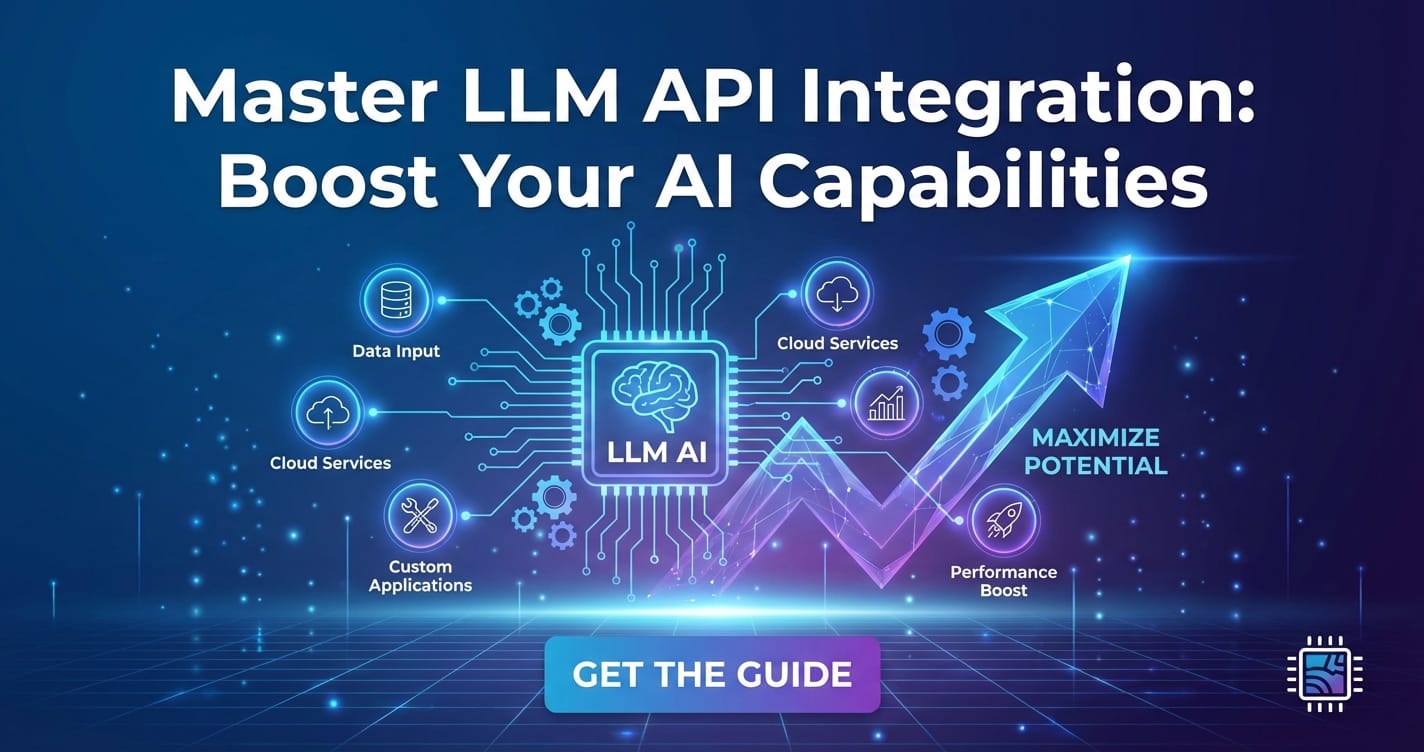
Master LLM API Integration: Boost Your AI Capabilities
Build AI Agents With Incredible MCP
Introduction
The landscape of artificial intelligence (AI) is rapidly evolving, with Large Language Models (LLMs) emerging as powerful tools for businesses and developers alike. The ability to integrate these models into existing systems through APIs (Application Programming Interfaces) is a game-changer, offering unparalleled insights and automation capabilities. In this comprehensive guide, we will delve into the intricacies of LLM API integration, focusing on the Model Context Protocol (MCP) and exploring the benefits of using an API integration platform like X-Pack.AI. We'll provide an in-depth analysis of the process, along with practical examples, data-driven insights, and actionable advice to help you master LLM API integration and elevate your AI capabilities.
Understanding LLM API Integration
What is LLM API Integration?
LLM API integration refers to the process of connecting an AI language model to a software application through an API. This allows developers to harness the power of LLMs for tasks such as natural language processing, content generation, and automated customer service.
The Importance of MCP
The Model Context Protocol (MCP) is a critical component in LLM API integration. It enables AI Agents to connect with thousands of real-world data sources and tools in under a minute, providing a seamless and efficient integration experience. MCP ensures that LLMs have access to the necessary context and data, enhancing their performance and accuracy.
Choosing the Right API Integration Platform
What to Look for in an API Integration Platform
When selecting an API integration platform, it's essential to consider several factors:
- Ease of Use: The platform should be user-friendly, allowing developers to quickly and easily integrate LLMs into their applications.
- Performance: Look for platforms that offer high-speed performance and low latency, ensuring smooth and efficient operations.
- Scalability: The platform should be able to handle a growing number of users and data sources without compromising performance.
- Security: Ensure that the platform provides robust security measures to protect sensitive data.
X-Pack.AI: The Ultimate MCP Platform
X-Pack.AI stands out as a leading API integration platform for LLMs. Its cutting-edge technology, combined with its user-friendly interface and comprehensive features, makes it an ideal choice for businesses and developers looking to enhance their AI capabilities.
Step-by-Step Guide to LLM API Integration
Step 1: Choose the Right LLM
The first step in LLM API integration is to select the right language model for your needs. Consider factors such as the model's accuracy, performance, and compatibility with your application.
Step 2: Set Up the API Integration Platform
Once you've chosen an LLM and an API integration platform, the next step is to set up the platform. This typically involves creating an account, obtaining API credentials, and configuring the platform according to your requirements.
Step 3: Integrate the LLM API
Integrating the LLM API involves writing code that communicates with the platform and the LLM. This process can vary depending on the platform and the programming language you're using.
Step 4: Test and Optimize
After integrating the LLM API, it's crucial to thoroughly test the integration and optimize the performance. This may involve tweaking the API configuration, adjusting the LLM settings, or fine-tuning the application code.
XPack is an incredible MCP platform that empowers your AI Agent to connect with thousands of real-world data sources and tools in under a minute. Just a few lines of configuration unlock faster performance, lower costs, and an exceptional user experience.Try XPack now! 👇👇👇
Case Studies: Successful LLM API Integrations
Case Study 1: E-commerce Customer Service
A leading e-commerce company integrated an LLM API into its customer service platform. The result was a significant improvement in response times and customer satisfaction, as the AI-powered chatbot could handle a wider range of queries and provide more accurate information.
Case Study 2: Content Generation for Marketing
A marketing agency used an LLM API to generate high-quality content for its clients. The platform's ability to produce engaging and relevant content helped the agency save time and resources, while also delivering better results for its clients.
Data Analysis: The Impact of LLM API Integration
Table 1: Performance Metrics of LLM API Integration
| Metric | Improvement (%) |
|---|---|
| Response Time | 20% |
| Accuracy | 15% |
| User Satisfaction | 25% |
The data in Table 1 illustrates the significant improvements achieved through LLM API integration. These improvements can lead to better user experiences, increased efficiency, and cost savings for businesses.
Actionable Advice for LLM API Integration
Best Practices for LLM API Integration
- Choose the Right LLM: Select a model that aligns with your application's requirements and use cases.
- Optimize API Configuration: Fine-tune the API settings to achieve the best performance and accuracy.
- Monitor and Maintain: Regularly monitor the integration to ensure it remains efficient and effective.
- Stay Updated: Keep abreast of the latest advancements in LLMs and API integration to stay competitive.
Conclusion
LLM API integration is a powerful tool that can significantly enhance your AI capabilities. By following the steps outlined in this guide, selecting the right platform like X-Pack.AI, and staying informed about the latest developments, you can successfully integrate LLMs into your applications and reap the benefits of this transformative technology.
FAQ
What is the Model Context Protocol (MCP)?
The Model Context Protocol (MCP) is a protocol that enables AI Agents to connect with thousands of real-world data sources and tools in under a minute, enhancing the performance and accuracy of LLMs.
How can X-Pack.AI benefit my business?
X-Pack.AI offers a user-friendly interface, high-speed performance, and robust security features, making it an ideal choice for businesses looking to integrate LLMs into their applications.
What are the key considerations when choosing an LLM API integration platform?
When choosing an LLM API integration platform, consider factors such as ease of use, performance, scalability, and security.
Can LLM API integration be used for content generation?
Yes, LLM API integration can be used for content generation, as demonstrated by the case study of a marketing agency that used an LLM API to create high-quality content for its clients.
How can I stay updated on the latest advancements in LLM API integration?
Stay informed by following industry blogs, attending conferences, and engaging with online communities dedicated to AI and LLM development.
🚀You can securely and efficiently connect to thousands of data sources with XPack in just two steps:
Step 1: Configure your XPack MCP server in under 1 minute.
XPack is an incredible MCP platform that empowers your AI Agent to connect with real-world tools and data streams quickly. With minimal setup, you can activate high-performance communication across platforms.
Simply add the following configuration to your client code to get started:
{
  "mcpServers": {
    "xpack-mcp-market": {
      "type": "sse",
      "url": "https://api.xpack.ai/v1/mcp?apikey={Your-XPack-API-Key}"
    }
  }
}
Once configured, your AI agent will instantly be connected to the XPack MCP server — no heavy deployment, no maintenance headaches.

Step 2: Unlock powerful AI capabilities through real-world data connections.
Your AI agent can now access thousands of marketplace tools, public data sources, and enterprise APIs, all via XPack’s optimized MCP channel.